Working from home has become a permanent reality for millions of people, and with that shift comes a responsibility that many overlook: protecting sensitive information right from your own living space. Whether you are a freelancer, a remote employee, or a small business owner operating out of a spare bedroom, the documents you handle every day can put you at serious risk if they fall into the wrong hands. Home office shredding is not just a best practice; it is a necessity in a world where identity theft and data breaches are increasingly common. Understanding how to manage your paper trail is the first step toward building a truly secure workspace.
When people think about cybersecurity, they tend to focus on passwords, firewalls, and encrypted drives. But physical documents are just as vulnerable as digital ones. A bank statement left in a recycling bin, a printed invoice tossed in the trash, or an old tax return sitting in a pile of papers can all become tools for fraud. The good news is that with the right personal shredding strategies in place, you can dramatically reduce the risk of your sensitive information being compromised.
Why Home Office Shredding Matters More Than You Think
Many remote workers underestimate the volume of sensitive material that passes through their home office. Think about the documents that arrive in your mailbox or get printed during a typical workweek. Medical bills, insurance forms, pay stubs, credit card offers, client contracts, and business receipts all contain information that criminals can use to steal your identity or gain access to your financial accounts.
According to identity theft experts, a significant portion of identity fraud cases begin with physical documents rather than digital breaches. Thieves will go through residential trash and recycling bins in a process known as dumpster diving, and they are surprisingly effective at piecing together personal information from discarded papers. If you are running any kind of business from home, the stakes are even higher. Client data, vendor agreements, and financial records are all subject to privacy expectations, and in some industries, legal obligations.
Home office shredding gives you direct control over what information leaves your space. It is the simplest and most affordable line of defense against physical document theft, and it requires nothing more than a reliable shredder and a consistent routine.
Building Personal Shredding Strategies That Actually Work
The biggest reason people fail at secure document disposal is inconsistency. They shred occasionally when they remember, let paper pile up for months, and then feel overwhelmed by the backlog. The solution is to build personal shredding strategies that integrate naturally into your daily or weekly workflow.
Start by placing your shredder somewhere accessible, ideally near your desk or wherever you sort your mail. When a shredder is tucked away in a closet or garage, it becomes easy to ignore. Proximity matters. If the machine is right there, you are far more likely to use it immediately after reviewing a document rather than setting it aside.
Next, establish a clear system for what gets shredded and what gets filed. Documents that contain your name, address, account numbers, Social Security information, signatures, or any financial data should always be shredded before disposal. This includes the obvious candidates like credit card statements and tax documents, but also less obvious ones like prescription labels, boarding passes, and even junk mail that includes pre-approved credit offers.
Create a weekly shredding appointment for yourself. Treat it the same way you would treat any other scheduled task in your home office routine. Even fifteen minutes on a Friday afternoon can prevent months of document buildup and reduce the temptation to simply throw sensitive papers in the trash.
Choosing the Right Equipment for Secure Home Document Disposal
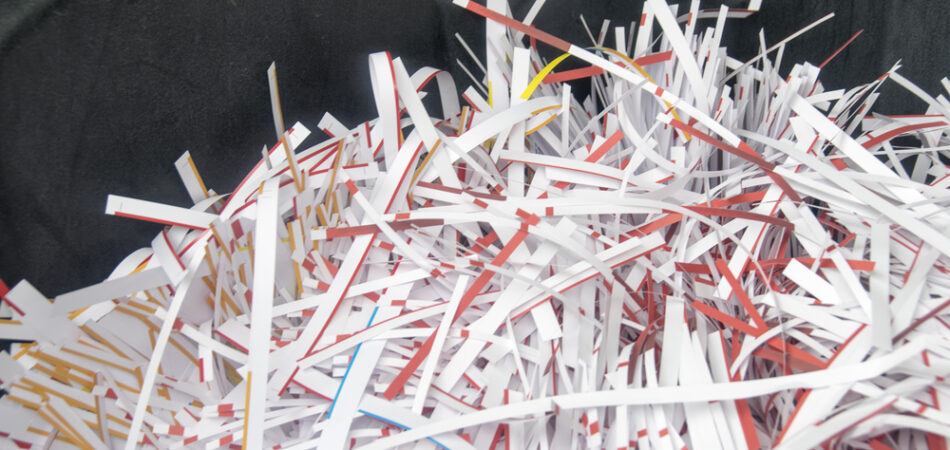
Not all shredders are created equal, and choosing the right one is a key component of secure home document disposal. The most important distinction to understand is the difference between strip-cut and cross-cut shredders. Strip-cut shredders slice paper into long vertical ribbons, which can technically be reconstructed by a determined criminal with enough patience. Cross-cut shredders, on the other hand, cut documents into small rectangular pieces that are far more difficult to reassemble.
For the highest level of security, consider a micro-cut shredder. These machines reduce documents to tiny confetti-like particles, making reconstruction virtually impossible. Micro-cut models are widely available for home use and are well worth the slightly higher price point if you regularly handle sensitive business or financial documents.
Beyond the cut style, pay attention to the shredder’s sheet capacity, run time, and ability to handle materials other than standard paper. Many home office workers need to shred CDs, credit cards, and small stapled documents. A shredder that can handle these materials without jamming will save you time and frustration. Also look for a model with a sizable bin so you are not constantly stopping to empty it during longer shredding sessions.
Maintenance matters too. Shredder oil, which is used to lubricate the cutting blades, extends the life of your machine and keeps it running smoothly. Check the manufacturer’s recommendations and make oiling a part of your routine, especially if you shred frequently.
What to Shred and What to Keep: A Smart Retention Plan
Knowing what to shred is just as important as having the equipment to do it. One common mistake is shredding documents that should actually be retained for legal or financial purposes. Building a smart retention plan helps you stay organized while still maintaining secure home document disposal practices.
As a general rule, keep tax returns and supporting documents for at least seven years. The Internal Revenue Service has up to three years to audit a return in most cases, but that window can extend to six or seven years under certain circumstances. Keeping records well beyond the standard audit period gives you a safety net.
Pay stubs can typically be shredded once you have reconciled them with your year-end W-2 or annual summary. Monthly bank and credit card statements can be shredded after you have verified the transactions, especially if you have access to digital records through your financial institution. Utility bills and similar routine documents can generally be discarded after one year unless you need them for tax purposes.
For business owners working from home, client contracts and agreements should be kept for as long as the relationship is active, plus several years afterward. When those documents are no longer needed, shredding them is not just good practice; it is often a professional and ethical obligation.
Documents that should never simply be thrown away include anything with a full Social Security number, account login credentials, medical records, legal filings, and any paperwork related to identity verification. These should always pass through your shredder before reaching the trash.
Conclusion
Protecting your home office does not require complicated systems or expensive technology. With a reliable shredder, a clear plan, and consistent habits, you can keep sensitive information out of the wrong hands. Home office shredding, paired with thoughtful personal shredding strategies and a commitment to secure home document disposal, gives you real control over your privacy. Start small, stay consistent, and make document security a natural part of how you work from home.