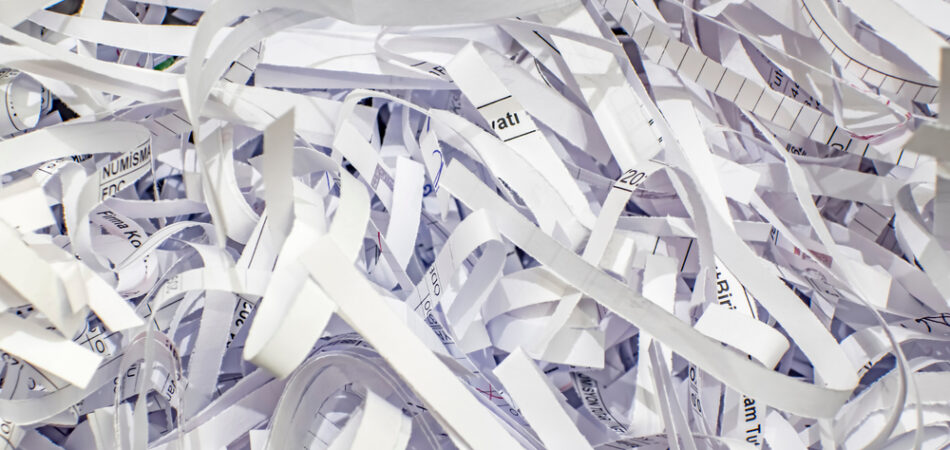
Businesses of all sizes handle enormous volumes of paperwork containing private details about their clients, from financial records and medical histories to legal documents and personal identification. When that information is no longer needed, how it is disposed of matters just as much as how it was stored. Document shredding is one of the most reliable and proven methods for safeguarding personal information safety, and it plays a central role in any serious data protection strategy.
Whether you run a small accounting firm, a medical practice, or a large corporation, your clients trust you with their most sensitive details. That trust is a cornerstone of your business relationship, and it carries legal and ethical responsibilities.
Investing in professional document shredding is not just a smart business decision; it is a fundamental commitment to client privacy solutions that every organization should take seriously.
The Real Risks of Improper Document Disposal
Many businesses underestimate the risks that come with careless document disposal. Tossing papers into a standard recycling bin or a trash can may seem harmless, but it opens the door to a range of serious threats. Identity thieves, corporate spies, and opportunistic criminals regularly comb through discarded materials looking for names, account numbers, Social Security numbers, medical records, and other valuable data.
The consequences of a data breach stemming from improper disposal can be devastating. Clients who have their personal information compromised may face identity theft, financial fraud, and years of credit repair. For your business, the fallout can include costly lawsuits, regulatory fines, and irreparable damage to your reputation. In industries like healthcare, finance, and law, the standards for personal information safety are especially strict, and failing to meet them can result in serious penalties under laws such as HIPAA, FACTA, and various state-level privacy regulations.
The threat is not limited to external criminals either. Employees who come across improperly disposed documents can also become a source of internal data leaks. A single mishandled file can set off a chain of events that puts dozens or even hundreds of clients at risk. This is why a structured, consistent approach to document destruction is so essential.
How Professional Shredding Services Work
Professional document shredding services provide a level of security and reliability that in-house paper shredders simply cannot match. These services typically offer two main options: on-site shredding and off-site shredding.
With on-site shredding, a certified shredding truck arrives at your business location and destroys documents right there in your parking lot or facility. You can watch the process happen in real time, which provides immediate peace of mind. Off-site shredding involves securely collecting documents in locked containers and transporting them to a certified destruction facility, where they are shredded using industrial-grade equipment.
Both methods come with a certificate of destruction, which serves as documented proof that your materials were disposed of properly. This certificate is an important part of your compliance record and demonstrates your commitment to data protection services. Reputable providers also follow chain-of-custody protocols, meaning every step of the process is tracked and verified from the moment documents leave your hands to the moment they are destroyed.
Industrial shredders used by these services are far more powerful than consumer models. They can process large volumes of paper quickly and often handle other materials as well, including hard drives, USB drives, credit cards, and uniforms. This makes professional shredding a comprehensive solution for all types of sensitive material, not just paper documents.
Legal Compliance and Your Responsibility as a Business
One of the most compelling reasons to adopt a formal document shredding program is legal compliance. A wide range of federal and state laws require businesses to properly destroy records containing personal information. Ignoring these requirements is not just risky; it can be financially and legally ruinous.
The Fair and Accurate Credit Transactions Act (FACTA) requires that any business disposing of consumer report information must take reasonable measures to protect against unauthorized access or use of that information. The Health Insurance Portability and Accountability Act (HIPAA) mandates that covered entities properly dispose of protected health information. The Gramm-Leach-Bliley Act places similar requirements on financial institutions handling customer data.
Beyond federal law, many states have enacted their own data privacy statutes with specific requirements for document disposal. California, for example, has some of the most comprehensive privacy laws in the country, and businesses operating there face particularly strict oversight. Partnering with a certified shredding provider helps ensure that your disposal practices align with current legal standards, reducing your exposure to penalties and litigation.
Adopting client privacy solutions that include a formal shredding program also signals to your clients and regulators that your organization takes its obligations seriously. Compliance is not just about avoiding punishment; it is about demonstrating a genuine commitment to responsible data stewardship.
Building Client Trust Through Responsible Data Management
Beyond legal compliance, there is a deeper reason to prioritize document shredding: the trust of your clients. When people hand over their personal information to a business, they are placing confidence in that organization to handle it responsibly throughout its entire lifecycle, including when it is no longer needed. A data breach caused by negligent document disposal is a profound betrayal of that trust.
Clients who feel that their personal information is handled with care are more likely to remain loyal, refer others, and speak positively about your business. On the other hand, a single high-profile incident involving improperly disposed records can permanently alter how clients and the public perceive your organization. In an era when consumer awareness around data privacy is growing rapidly, businesses that prioritize personal information safety stand out in a meaningful way.
Implementing a regular shredding schedule, training employees on document handling policies, and working with certified data protection services sends a clear message: your clients matter, and their information is treated with the same respect they would expect from any trusted professional. This kind of commitment does not go unnoticed.
Transparency also plays a role here. Letting clients know that your organization has a formal document destruction policy in place can actually become a point of differentiation. In competitive industries, the ability to say with confidence that you have invested in robust client privacy solutions can tip the scales in your favor when clients are choosing between providers.
Conclusion
Document shredding is far more than a routine office task. It is a critical layer of protection for your clients’ personal information and a cornerstone of any responsible data management program. From preventing identity theft and meeting legal requirements to building lasting client trust, the benefits of professional shredding services are clear and compelling.
Businesses that take document destruction seriously are better positioned to avoid costly breaches, maintain regulatory compliance, and demonstrate a genuine dedication to data protection services. As privacy expectations continue to rise, partnering with a certified shredding provider is one of the most practical and impactful steps your organization can take to protect the people who depend on you.